Column · @felixwebi166
Cuban Bakery Aurora CO: Delicious Finds for Pastry Lovers
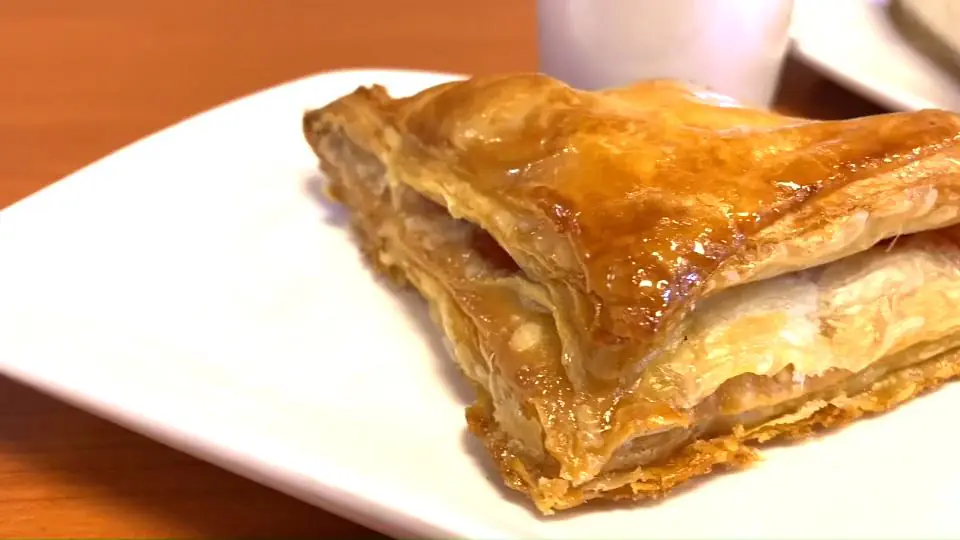
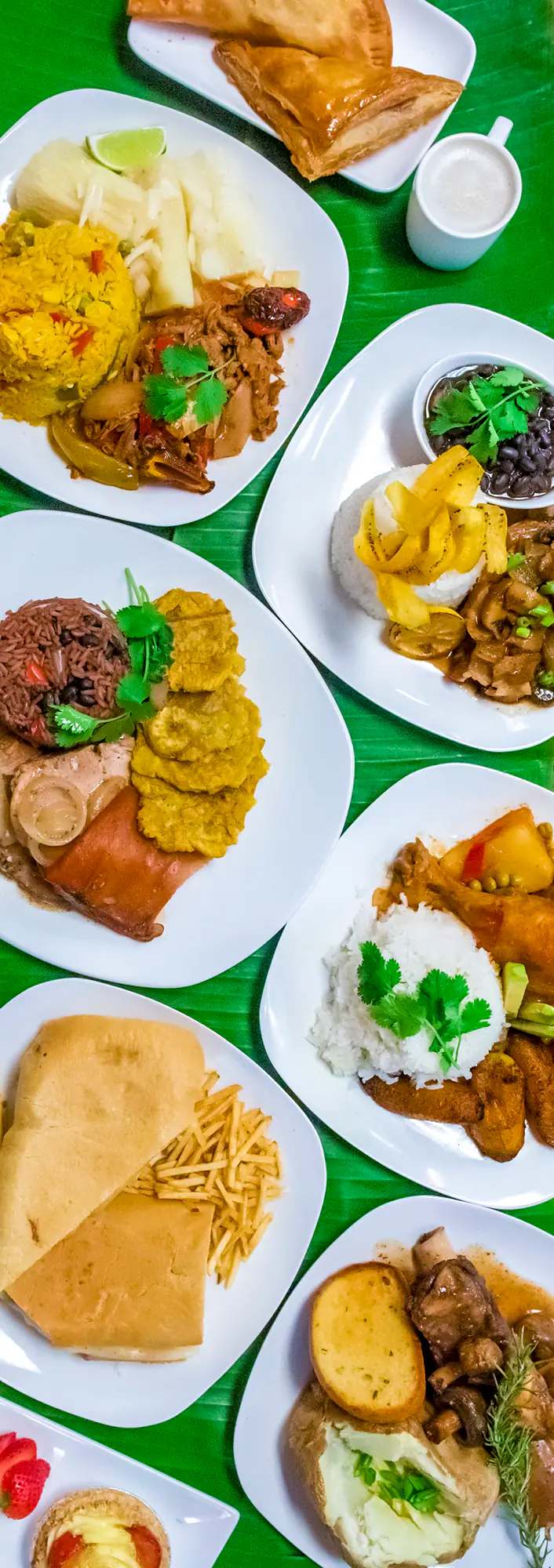
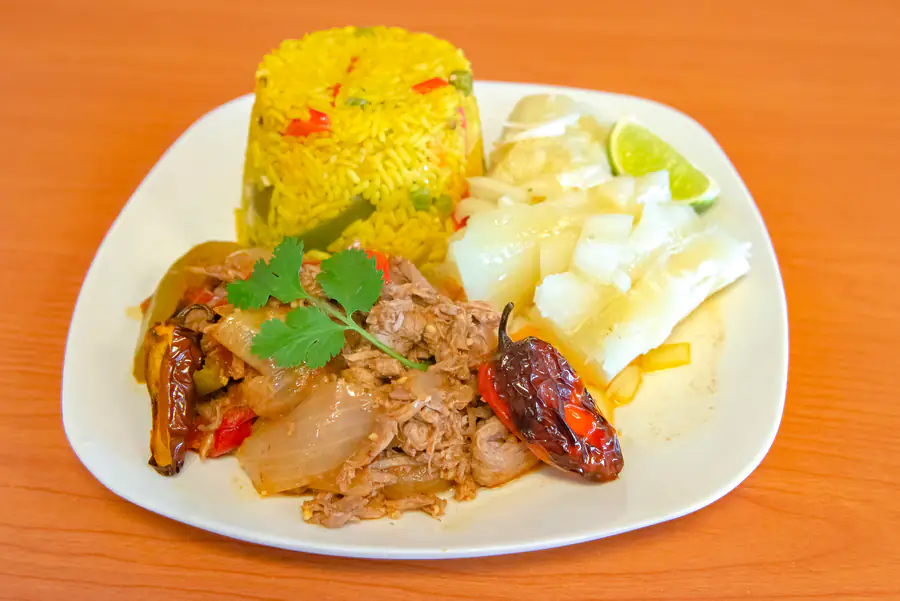
Aurora has the kind of food scene that rewards curiosity. You can drive past a plain strip mall ten times and never guess that inside, behind a fogged pastry case or a stack of bread trays, someone is turning out guava pastries with crisp edges and a buttery center that vanishes the moment it hits warm coffee. That is part of the appeal when you start looking for a Cuban bakery Aurora CO locals would actually return to, not just photograph once.
Cuban baking has a personality all its own. It is not shy, not overly delicate, and not built around understatement. The best pastries bring together flaky dough, generous fillings, caramelized sweetness, and enough salt to keep the whole thing balanced. There is comfort in it, but also skill. A truly good Cuban-style pastry looks simple until you try to make one well. Then you realize how much judgment goes into texture, timing, and restraint.
Aurora is not Miami, and it does not need to be. What it does offer is a broader Front Range mix, where Cuban flavors sometimes appear in dedicated bakeries, sometimes inside Latin markets, and sometimes in family-run shops that serve several traditions at once. That matters, because if you are searching for Cuban pastries in Aurora, the best find may not always be a place with a huge sign that says “Cuban bakery.” It may be a bakery counter tucked beside a hot lunch steam table, or a neighborhood panadería that makes room for Cuban favorites because customers ask for them by name.
What makes a bakery feel truly Cuban
People often reduce Cuban baking to one or two famous pastries, usually guava and cheese. Those deserve the attention, but they are only the starting point. A bakery starts to feel convincingly Cuban when the pastries reflect certain instincts.
First, the dough matters. Cuban pastries tend to favor laminated or layered textures that are crisp rather than bready. When you bite into a good pastelito, it should shatter lightly at the surface and then soften into the filling. If it chews like a dinner roll, something went wrong, either in the dough itself or in how long it sat.
Second, sweetness should be assertive but not clumsy. Guava paste is naturally rich and concentrated, so the bakery needs to know when to let the fruit lead and when to add cream cheese or a dusting of sugar for contrast. The best bakers understand that Cuban pastries are indulgent, but they still need shape and balance.
Third, the bakery usually takes coffee seriously. Even if the espresso setup is modest, the pairing matters. A Cuban pastry without coffee is still good. With coffee, it becomes complete. The sugar, salt, fat, and roast sharpen each other.
That combination is what pastry lovers should chase in Aurora. Not branding alone, not novelty, not the biggest display case. What you want is evidence of repetition and care, the kind that only comes from a bakery that expects regulars.
The pastries worth seeking out first
If you are new to Cuban baking, start with the staples that reveal whether a bakery knows what it is doing. These are the pastries that show technique, freshness, and proportion immediately.
- Pastelitos de guayaba: The classic guava pastry, usually flaky and glazed lightly on top. It should smell buttery and fruity before you even take a bite.
- Pastelitos de guayaba y queso: Guava with cream cheese. This is often the best first order because the tang from the cheese keeps the sweetness in check.
- Pastelitos de carne: Savory meat pastries, usually with seasoned ground beef. A strong version has a filling that tastes cooked through and cohesive, not watery or overly tomato-heavy.
- Croquetas and stuffed rolls: Not technically pastry in every case, but often sold alongside baked goods. Ham croquetas, in particular, tell you a lot about a shop’s commitment to texture.
- Cuban bread and sweet breads: If a bakery produces fresh loaves, pay attention. Bread quality often predicts pastry quality.
A pastry case can look generous and still be disappointing. The useful test is this: if the guava pastry is dry around the edges, if the savory items taste reheated beyond recovery, or if every piece looks as though it has been under the lights since dawn, keep expectations modest. A great https://trevorkiwx686.bearsfanteamshop.com/freshly-baked-cuban-favorites-available-in-aurora-co bakery rotates product, even on a slow day.
How Aurora changes the search
Aurora’s dining landscape is practical. Many strong neighborhood businesses focus on feeding nearby families and workers, not on turning themselves into destination brands. That is good news for anyone willing to look carefully.
In this area, a Cuban bakery may take one of several forms. It could be a small standalone bakery with a pastry case, coffee service, and a short breakfast menu. It could also be a Latin bakery with Cuban specialties folded into a wider menu that includes Mexican pan dulce, Colombian breads, or savory snacks from several countries. Purists sometimes dismiss those hybrid shops, but that can be a mistake. In cities outside South Florida, some of the best Cuban pastries come from bakers who work across traditions and learn what their community actually buys.
There is also the altitude factor, which matters more than people think. Baking along the Front Range is not identical to baking at sea level. Dough can dry out faster, pastries can brown unevenly, and fillings can behave differently during storage. An experienced local bakery adapts, often quietly. You may notice slightly sturdier doughs or glazes that are calibrated for a drier climate. That is not a flaw. It is craft meeting place.
So when evaluating a Cuban bakery Aurora CO search result, look beyond labels. Ask whether the bakery tastes alive to its neighborhood and its environment. That usually tells you more than a menu description.
Signs you have found the real thing
There is a rhythm to strong bakeries, and once you have noticed it, you can spot it almost immediately. The front counter moves steadily, not frantically. Staff know which tray came out recently. Coffee orders and pastry selections seem paired by habit, not by upselling. Regulars ask for specifics, one more guava, two meat pastries, bread for tonight, and nobody needs a long explanation.
The case itself should also tell a story. You want to see variation in color and shape that suggests actual production, not factory uniformity. Handmade pastries are rarely identical. One may be slightly puffier, another a little more glazed. That is usually a promising sign.
Temperature matters too. A warm pastry is not automatically fresh, since reheating can disguise age, but pastries that are stone cold and dense are rarely at their best. If possible, ask what came out that morning or whether anything is freshest at a particular hour. Good bakeries are used to that question and answer it plainly.
One small detail I always watch is how a bakery handles savory pastries near the end of the day. Some shops keep them too long because waste feels painful. Understandably so. But a bakery that would rather sell out than serve a soggy pastelito de carne is usually a bakery worth trusting. Restraint is one of the clearest signs of standards.
Sweet and savory, and why both matter
A lot of first-time visitors head straight for sugar, and it makes sense. Guava pastries are the gateway for many people. But a bakery becomes much more interesting when you taste both sides of the case.
Savory pastries reveal seasoning discipline. Ground beef filling needs enough onion, spice, and salt to feel substantial, but not so much grease that it leaks through the dough. Ham-based snacks need smoke and richness, but they should still taste clean. If the bakery can handle that balance, its sweet pastries are more likely to show the same judgment.
On the sweet side, the biggest trap is excess. Too much sugar wash on top and the pastry becomes sticky rather than crisp. Too much filling and the layers collapse. Too little and the whole thing feels stingy. Cuban pastries are not minimalist, but they are not random either. The good ones feel generous in a controlled way.
Coffee ties the categories together. A sweet pastry with sharp espresso tastes brighter. A savory one becomes rounder and more aromatic. If the bakery serves café Cubano, cortadito, or even a straightforward espresso with confidence, take that as part of the experience rather than an afterthought.
What to order on a first visit
If you only have one stop to make and want a solid read on a bakery, build a small tasting that covers range. You do not need a dozen items. Three or four carefully chosen pieces will tell you nearly everything.
Start with a guava and cheese pastry. It is the most revealing single item because the dough, filling, sweetness, and finish all have to work together. Add a savory choice, ideally a meat pastry or ham croquette if available. If the bakery makes bread, take a loaf or a roll for later. That extra purchase sounds simple, but it is one of the best value tests. Bread has nowhere to hide.
If there is coffee, order it. Even a modest cup gives context. Some pastries that seem heavy on their own become exactly right alongside strong coffee. Others remain heavy, which is useful information.
If you are buying for a group, do not order only sweets. The mix is what makes a bakery spread memorable. One of the most successful office pastry boxes I have ever brought in was built around contrast, guava and cheese for the obvious crowd-pleaser, meat pastries for the people who skip sugary breakfasts, and plain bread for anyone who wanted something simple. Nothing lasted long.
Practical tips for getting the best pastries
Timing can improve your experience more than almost anything else. A bakery might sell the same items all day, but they do not taste the same at 8:30 in the morning and at 3:45 in the afternoon.
- Go earlier if fresh pastry texture matters most to you.
- Ask which items were baked that morning rather than assuming every tray is equally fresh.
- Buy pastries in small batches unless you know the shop’s turnover is very high.
- Reheat flaky pastries briefly in an oven or toaster oven, not a microwave.
- If you are taking pastries home, keep savory and sweet items separate so aromas do not mingle.
That last point sounds fussy, but it matters. Savory fillings can perfume a pastry box quickly, and sugar glazes pick up surrounding smells more easily than most people expect.
The bakery case versus the bread shelf
Many pastry lovers focus only on the display case and miss one of the best clues in the shop: the bread shelf. Fresh Cuban bread, or any bakery bread made in-house with consistency, is a quiet marker of seriousness. It demands daily labor, space, and planning. A shop that handles bread well often handles pastries with similar discipline.
Texture is the first thing to notice. Fresh bread should feel light for its size and resist your fingers slightly rather than sink. The crust should not be leathery. Inside, the crumb should show structure, not gummy compression. Even if you came only for pastries, buying bread gives you a fuller picture of whether the bakery operates like a place that bakes or like a place that mainly resells.
This matters in mixed-format shops where some products may come from outside suppliers. There is nothing inherently wrong with supplementing inventory. Plenty of businesses do it sensibly. But if you are specifically searching for Cuban pastry craftsmanship in Aurora, in-house production is worth noticing whenever you can confirm it.
When a bakery serves more than one Latin tradition
Aurora diners are used to crossover menus. A single bakery may sell Cuban pastries, Mexican conchas, and Colombian-style breads side by side. That does not dilute the experience automatically. In fact, it can sharpen it.
Multi-tradition bakeries often survive because they understand neighborhood demand better than narrowly focused operations. They know which pastries move on weekdays, which items families buy by the dozen, and which recipes need to hold up through a dry Colorado afternoon. Sometimes the result is a slightly adapted version of a Cuban staple, less sugar on top, a sturdier fold, a filling ratio adjusted for local tastes. If the pastry still eats well, that adaptation is not a compromise. It is how food traditions live in new places.
The key is not whether the menu is “pure.” The key is whether the execution is respectful and delicious. I would take a well-made guava and cheese pastry from a mixed Latin bakery over a poorly handled “authentic” version any day.
Price, value, and what is fair to expect
Pastries should feel accessible, but they are not cheap to produce well. Butter, labor, fillings, packaging, and daily waste all add up. In Aurora, pricing can vary depending on whether you are at a bakery-focused shop, a market counter, or a café with pastry service. Rather than hunting for the absolute lowest price, look at the relationship between cost and freshness.
A pastry that is clearly made with care and sold promptly is worth more than a cheaper one that tastes tired. The same goes for coffee. Paying a little extra for a bakery that moves product quickly and maintains standards is often the better value than saving a dollar and ending up with dense dough and oversweet filling.
If you are shopping for a family or bringing pastries to work, ask whether the bakery offers mixed boxes. Many neighborhood shops are flexible, even if they do not post formal catering menus. This is one of those small practical advantages that chain cafés rarely match.
Building your own Aurora pastry route
One of the pleasures of searching for the best Cuban bakery Aurora CO experience is that it encourages repeat visits. You do not need to settle the question in one morning. In fact, you should not. Bakeries change by day, by baker, by season, and by volume. A shop that feels average late on a rainy Tuesday may be excellent on a busy Saturday when turnover is high and trays are moving.
Try one place for breakfast pastries, another for bread, another for coffee and a savory snack. Keep notes if you are serious about it. Which guava filling tasted brightest? Which dough stayed crisp the longest on the drive home? Which bakery’s savory items held up best after reheating? These are not trivial details. They are the details that separate a decent find from a place you start recommending without hesitation.
There is also a social dimension worth mentioning. Bakeries often reveal a neighborhood more clearly than full-service restaurants do. You hear people discussing weekend plans, birthday trays, church events, what to bring to relatives, who wants extra bread. A good bakery becomes part of ordinary life. If a place has that energy, it is usually doing something right.
The pastries that keep calling you back
Every regular develops favorites. Some people never move beyond guava and cheese because, frankly, they do not need to. Others become loyal to savory pastries and treat sweets as a side note. My own test of a bakery is whether I want to return for the same item twice. Novelty is easy. Craving is harder.
That is the standard worth applying in Aurora. Not whether the bakery looks fashionable online, not whether the menu reads impressively, but whether a pastry leaves enough of an imprint that you think about it the next morning with your coffee. The good shops do that. A flaky corner that broke off onto the bag. A guava filling that tasted almost floral instead of merely sugary. A meat pastry that stayed crisp long enough to finish in the car without turning greasy. These are small moments, but they are exactly what pastry lovers chase.
Aurora may require a little more searching than cities where Cuban bakeries dominate whole neighborhoods. That search is part of the pleasure. It makes the finds feel earned. And when you land on a bakery that gets the dough right, keeps the fillings balanced, serves coffee with confidence, and treats regulars like neighbors, you stop worrying about labels. You have found what you came for: a place that understands how a good pastry should taste, and why people keep coming back for one more box.
Cuba Bakery & Café
15028 E Mississippi Ave, Aurora, CO 80012
+1 303-752-2822
FAQ About Cuban bakery Aurora CO
What are Cuban pastries called?
Many small Cuban pastries are called pastelitos. They can have sweet or savory fillings, such as guava, cheese, guava and cheese, or seasoned meat. Cuba Bakery & Café lists guava, cheese, guava-and-cheese and beef pastries on its menu. Ask the bakery about current availability and ingredients when ordering.
What are traditional Cuban pastries?
Common Cuban bakery choices include flaky pastelitos filled with guava, cheese or meat. Cuban bakeries may also offer empanadas, breads and desserts alongside coffee. Cuba Bakery & Café lists pastelitos, several empanada fillings, pan Cubano and desserts such as tres leches and bread pudding. Selection can vary, so confirm the day's choices with the bakery.
What makes Cuban bread different?
Cuban bread is known for its light interior and a thin crust that becomes crisp when toasted or pressed. Traditional recipes often use lard, although ingredients vary by baker. It is commonly served as buttered toast or used for Cuban sandwiches. Cuba Bakery & Café lists pan Cubano and tostada on its menu; ask staff about the ingredients in their bread if you have dietary restrictions.